
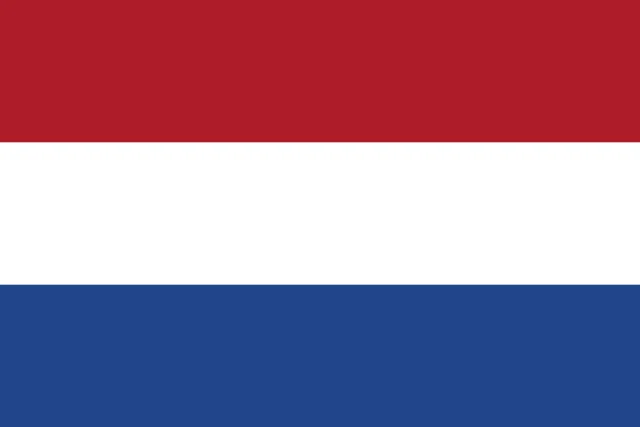
Netherlands National Anthem — Wilhelmus
The "Wilhelmus" is the national anthem of the Netherlands and is widely regarded as the oldest national anthem in the world: its words date to around 1572, during the Dutch Revolt against Spanish rule, though it was only officially adopted in 1932. Attributed to Philips of Marnix and set to a traditional melody, it is sung from the first-person perspective of William of Orange, leader of the revolt. Its fifteen stanzas form an acrostic spelling his name. This page gathers the anthem's Dutch lyrics, English translation, meaning and history.
Wilhelmus Dutch Lyrics
Original (Dutch) version
Wilhelmus van Nassouweben ik, van Duitsen bloed,
den vaderland getrouwe
blijf ik tot in den dood.
Een Prinse van Oranje
ben ik, vrij, onverveerd,
den Koning van Hispanje
heb ik altijd geëerd.
English Translation version
William of Nassauam I, of Germanic blood;
loyal to the fatherland
I remain until death.
A prince of Orange
am I, free and fearless;
the King of Spain
I have always honoured.
Public domain — words attributed to Philips of Marnix (c. 1572); traditional 16th-century melody.
Lyrics licensed via Public Domain.
Song Details
- Singer
- Netherlands
- Lyricist
- Attributed to Philips of Marnix
- Music
- Traditional (16th-century melody)
- Genre
- National Anthem
- Released
- May 10, 1932
- Language
- Dutch
- Views
- 522
💭 Meaning of "Wilhelmus" Song Lyrics
The "Wilhelmus" is unusual among anthems: it is written as a first-person monologue spoken by William of Orange (William the Silent), the nobleman who led the sixteenth-century revolt of the Low Countries against Philip II of Spain. He declares himself of the House of Nassau, loyal to the fatherland "until death".
The much-debated line "van Duitsen bloed" ("of Germanic blood") reflects sixteenth-century usage, when the word covered the wider Germanic-speaking lands rather than modern Germany. Even the striking claim that he has "always honoured" the King of Spain frames the revolt as loyal resistance to tyranny rather than personal rebellion — a nuance at the heart of the Dutch founding story.
🎬 Behind the song: how "Wilhelmus" was made
The song is thought to have been written between 1568 and 1572, early in the Eighty Years' War, and is traditionally attributed to Philips of Marnix, a diplomat and ally of William of Orange. Its melody was borrowed from a French soldiers' tune of the period. Fifteen stanzas long, the anthem normally features only the first and sixth verses in performance. After centuries of unofficial patriotic use, it was proclaimed the national anthem on 10 May 1932.
🌍 "Wilhelmus" — Cultural impact & legacy
The "Wilhelmus" is deeply woven into Dutch identity and is played at royal occasions, state ceremonies and sporting events. Its most remarkable feature is hidden in the text: the first letters of its fifteen stanzas form an acrostic spelling "Willem van Nassov". Its blend of great age, personal voice and quiet defiance makes it one of the most distinctive anthems in the world.
📖 What is "Wilhelmus Song Lyrics" about?
The "Wilhelmus" is the national anthem of the Netherlands and one of the most historic of all the world's national anthems. Its text is attributed to Philips of Marnix and dates to about 1572; the melody is older still, adapted from a French song.
Although sung for centuries, it only became the official anthem in 1932, replacing "Wien Neêrlands bloed". Both words and music are long in the public domain.
⭐ Behind the song trivia
- It is widely considered the oldest national anthem in the world, with words dating to around 1572 — though it was only officially adopted in 1932.
- The first letters of its fifteen stanzas form an acrostic spelling "Willem van Nassov" (William of Nassau).
- It is written in the first person, as if spoken by William of Orange himself.
- The melody was adapted from a French soldiers' song of the sixteenth century.
- The line "van Duitsen bloed" means "of Germanic blood" in period usage, not "German" in the modern sense.
- It replaced the earlier anthem "Wien Neêrlands bloed" when it was made official in 1932.
❓ Wilhelmus — Frequently asked questions
What is the national anthem of the Netherlands?
Why is the Wilhelmus called the oldest national anthem?
What does the Wilhelmus mean?
Who wrote the Wilhelmus?
How many verses does the Wilhelmus have?
What does "van Duitsen bloed" mean?
👥 Credits
| Vocals | Netherlands |
|---|---|
| Lyricist | Attributed to Philips of Marnix |
| Music Director | Traditional (16th-century melody) |
📄 Copyright disclaimer
All lyrics, images, and audio/video featured on LyricsSol.com are the intellectual property of their respective copyright owners. We do not claim ownership of any lyrics, music, or related media.
Lyrics are provided solely for educational, reference, and personal use under the doctrine of fair use. No copyright infringement is intended.
If you are the rightful copyright holder and would like any content to be removed or credited differently, please contact us through our Contact Page for prompt action.
Comments 0
No comments yet. Be the first to share your thoughts!