
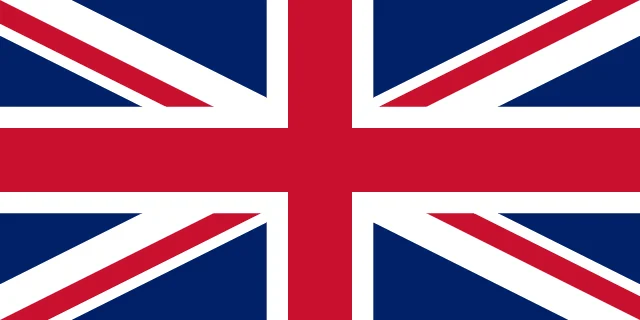
United Kingdom National Anthem — God Save the King
"God Save the King" is the national anthem of the United Kingdom (sung as "God Save the Queen" during a queen's reign). It is one of the oldest national anthems in the world, coming into use in the 1740s, with a traditional tune and words of unknown authorship. A royal anthem, it is a prayer for the reigning monarch — asking that the sovereign be kept safe, victorious and long-reigning. This page gathers the anthem's lyrics, meaning and history.
God Save the King English Lyrics
EnglishOriginal (English) version
God save our gracious King!Long live our noble King!
God save the King!
Send him victorious,
Happy and glorious,
Long to reign over us,
God save the King!
Public domain — traditional, 18th century (author unknown).
Lyrics licensed via Public Domain.
Song Details
- Singer
- United Kingdom
- Lyricist
- Traditional
- Music
- Traditional
- Genre
- National Anthem
- Released
- Jan 01, 1745
- Language
- English
- Views
- 164
💭 Meaning of "God Save the King" Song Lyrics
"God Save the King" is, quite literally, a prayer for the monarch. Where many anthems celebrate a land or a people, this one asks a blessing on the sovereign personally — that the King be kept "victorious, happy and glorious" and reign long over the nation.
That focus on the crown reflects its 18th-century origins, when it rallied support for the monarchy. Its simple, hymn-like melody has proved endlessly adaptable, borrowed by several other countries over the centuries.
🎬 Behind the song: how "God Save the King" was made
The song appeared in published form around 1744–1745 and gained prominence during the 1745 Jacobite rising. No composer is credited; scholars label it "traditional". Its melody has been reused for other national songs, including the American patriotic hymn "My Country, 'Tis of Thee".
🌍 "God Save the King" — Cultural impact & legacy
As one of the world's first national anthems, "God Save the King" influenced the very idea of a national anthem. It is performed at royal, state and sporting occasions across the UK and the Commonwealth, switching between "King" and "Queen" with the reigning monarch.
📖 What is "God Save the King Song Lyrics" about?
"God Save the King" is the national and royal anthem of the United Kingdom, and one of the oldest of all national anthems. Its words and melody are traditional, with no known single author, and it became established as the anthem during the 1740s.
The title and lyrics change with the monarch's gender — "God Save the Queen" during a queen's reign. The anthem has never been formally adopted by law; its status rests on custom.
⭐ Behind the song trivia
- It is one of the oldest national anthems in the world, appearing in published form around 1744–1745.
- It has no known author — scholars simply label it "traditional".
- The words switch between "King" and "Queen" depending on who is on the throne.
- Its melody has been borrowed by many countries and is shared with the American patriotic song "My Country, 'Tis of Thee".
- It has never been adopted by law — its status rests entirely on custom.
- It gained prominence during the 1745 Jacobite rising, when it was sung in support of King George II.
❓ God Save the King — Frequently asked questions
What is the national anthem of the United Kingdom?
Who wrote "God Save the King"?
What is "God Save the King" about?
Why does the title change to "God Save the Queen"?
Which other song shares its melody?
Was "God Save the King" ever made official by law?
👥 Credits
| Vocals | United Kingdom |
|---|---|
| Lyricist | Traditional |
| Music Director | Traditional |
📄 Copyright disclaimer
All lyrics, images, and audio/video featured on LyricsSol.com are the intellectual property of their respective copyright owners. We do not claim ownership of any lyrics, music, or related media.
Lyrics are provided solely for educational, reference, and personal use under the doctrine of fair use. No copyright infringement is intended.
If you are the rightful copyright holder and would like any content to be removed or credited differently, please contact us through our Contact Page for prompt action.
Comments 0
No comments yet. Be the first to share your thoughts!